Water Damage Restoration in Afton, MN
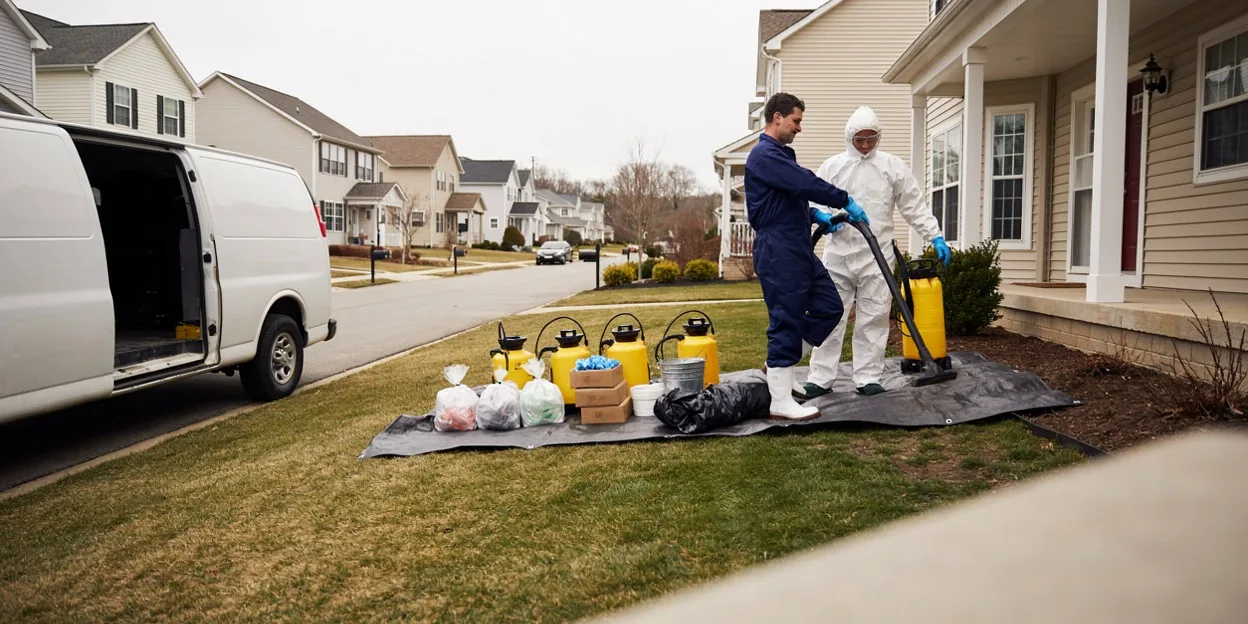
Afton is the river town east of Woodbury on the St. Croix, a village platted in the 1850s along the water with a city of large rural lots wrapped around it. The Old Village sits on the floodplain, low enough that the St. Croix has been in its streets more than once, and the city spent the late 2010s building a levee and a sewer system to keep it there. Outside the village the houses are on acreage, on wells and septic, from 1970s ramblers to 2000s custom homes on the bluffs.
A river town and a bluff town have different water problems. The village worries about the St. Croix in April; the bluff lots worry about a well pump, a frozen line in a detached garage, and a walkout cut into a hillside.
For an Afton house, the call goes to one independent local water damage provider who works the river side of the county. The provider sees the house before a scope exists.
Afton water damage from the floodplain to the bluff
A walkout on a bluff lot that took water down the hillside side of the foundation in a spring thaw is basement flooding cleanup, and the readings say whether the wall or the slab is the way in. A line that froze in a garage or a lower-level bathroom on a well lot is frozen pipe cleanup with the pump breaker as the shutoff. After either one, structural drying in a rural house means the discharge has to go somewhere other than the drain field.
The state park south of town and the village desk
Afton State Park, 1,600 acres of bluff and prairie a few miles south of the village, drops 300 feet from the blufftop to the river, and the ravines that cut it are the same ones that carry runoff down through the bluff neighborhoods in a hard rain. Rebuild permits go through the City of Afton, and work in the Old Village has the levee and floodplain rules layered on top.
Call (651) 461-4569 and tell us what you see. We put you through to a local water damage provider serving Afton.
Services Available in Afton
Basement Flooding Cleanup
Water pulled off the slab and out from under the carpet pad in a finished lower level, then the walls metered before any drywall comes off.
Sump Pump Failure Cleanup
Cleanup after the pit overflowed in a storm or a power outage, with the water gone and the finished basement dried on readings.
Ceiling Water Damage Repair
A stained or sagging ceiling under an upstairs bathroom or an ice dam, drained, dried, and opened only as far as the meter says.
Frozen Pipe Cleanup
The wall, floor, and lower level a split supply line soaked during a January cold snap, pumped out and dried once the water is off.
Ice Dam and Roof Leak Water Damage
Wet attic insulation, ceilings, and exterior walls dried after meltwater backed up behind an ice dam or hail opened the roof.
Water Heater Leak Cleanup
A tank that let go in a lower-level utility room and the carpet, drywall, and storage it soaked, extracted and dried.
Structural Drying
Air movers and dehumidifiers set by moisture readings and run until framing, subfloor, and drywall reach their dry target.
Water Damage Reconstruction
Drywall, trim, carpet, and paint put back in a finished basement after the drying log shows the framing is dry.